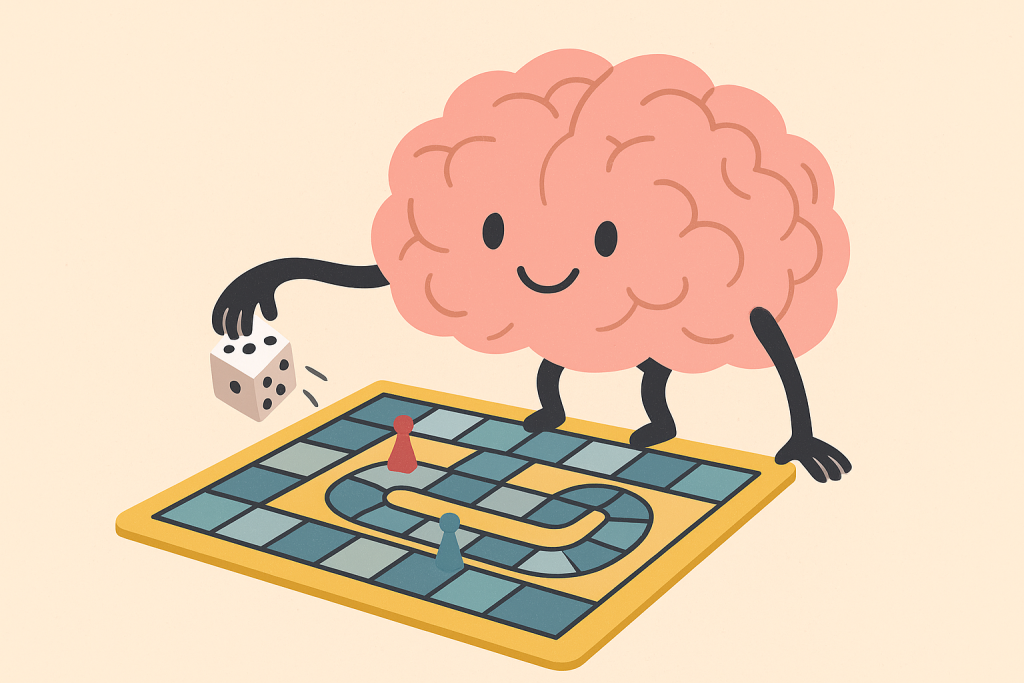
For decades, we have repeated the same message: mental health needs innovation, tools that break stigma, invite engagement, and reach diverse populations. Today, that innovation has a clear name: gamification in mental health.
There are numerous studies showing that gamification improves engagement, learning, and wellbeing outcomes.
At Nordaurai, we brought these studies and real-world needs together and transformed them into board games, experiential games, and digital tools designed specifically for mental health. By doing so, wellbeing became interactive, playful, and accessible. Through gamification, individuals can explore emotions, build resilience, and practice social skills in a safe and non-judgmental environment.
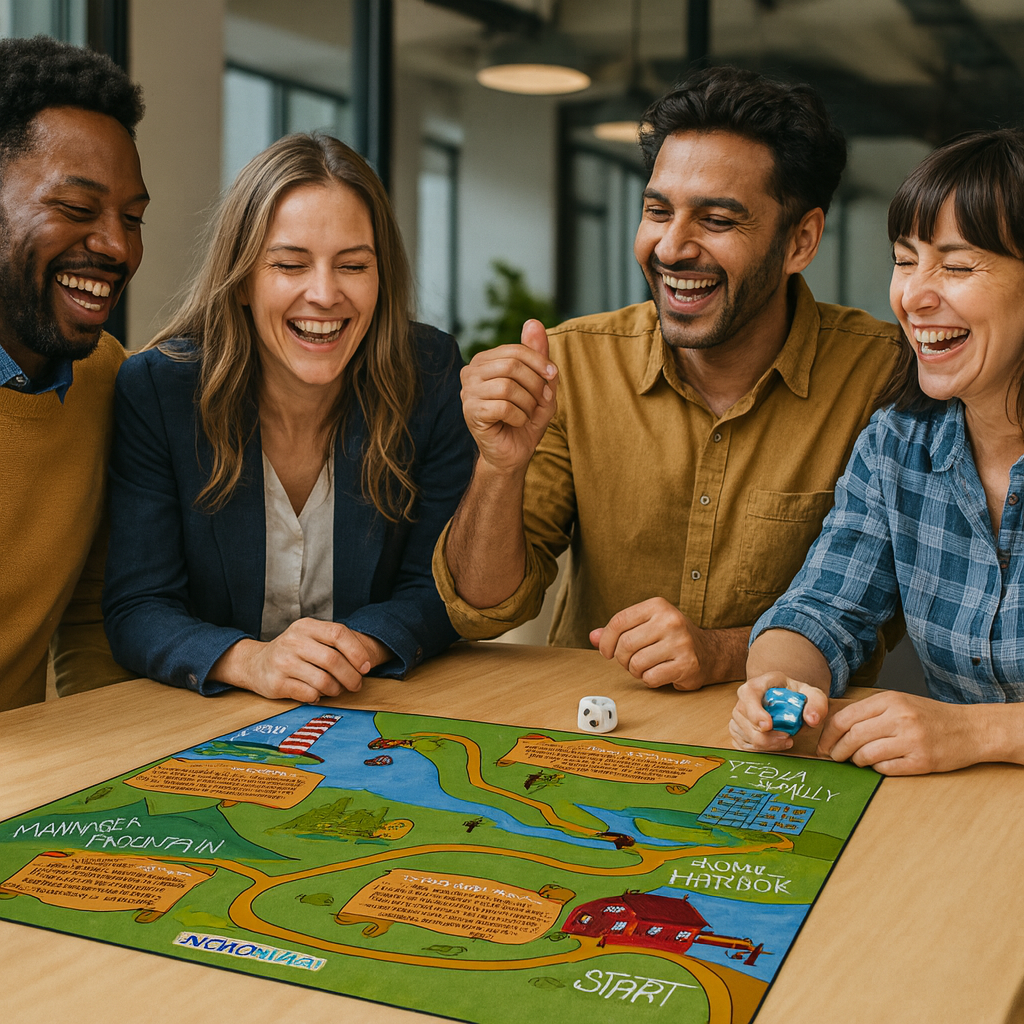
As Dr. Cross explains, games “make social interactions more predictable and allow people to experiment with things like conflict resolution.” He also highlights that modern board games go beyond mental health benefits, supporting strategic thinking, mathematical reasoning, problem-solving, and storytelling, bringing narratives and shared meaning to life.
In today’s corporate world, fast-paced, diverse, and often stressful traditional wellbeing approaches are no longer enough. Nordaurai’s gamified tools enable teams to communicate, reflect, reason, build awareness, and connect, while also allowing space for play and enjoyment. Play is not a distraction from work, it is a bridge to deeper human connection.
In our home country, Finland, board games are everywhere, offices, restaurants, social gatherings, and homes. They are a cultural tool for bringing people together. This everyday use shows the universal power of games to connect people regardless of age, background, culture, or profession.
“Gamification is not a supporting tool in mental health, it is our main tool.”
Gamification is rapidly expanding in universities and professional programs worldwide because research shows it increases engagement, inclusion, and participation. This is especially important in mental health, where traditional approaches often fail to reach men. Studies show that men are less likely to express emotions or seek mental health support, despite experiencing high levels of stress. According to the World Health Organization (2021), men are significantly underrepresented in mental health services globally.
Gamified experiences offer a non-threatening, structured, and familiar entry point, allowing men, and all genders, to explore emotions, coping strategies, and self-awareness without stigma. Games create shared language, safety, and participation where traditional methods often fail.
Now imagine mental health specific board games and digital games built on positive psychology principles, designed for diverse cultures, generations, and identities.